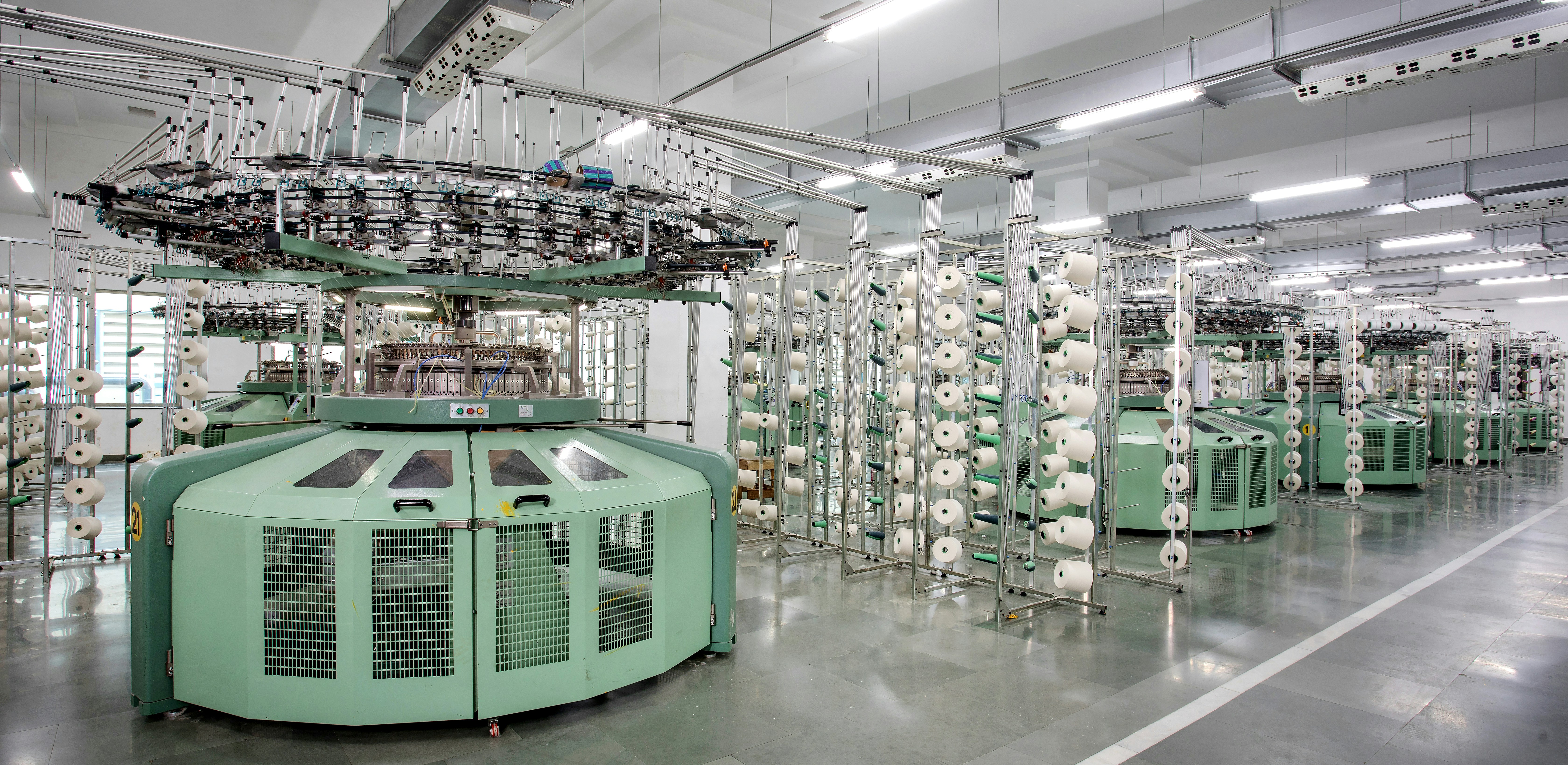
While the development of commercial or consumer textiles typically focuses on comfort and aesthetics, technical textiles are created with function in mind. Industrial fabrics can be designed to exhibit a broad variety of specific characteristics, making them ideal for use in a comprehensive range of industries and applications.
The term “technical textile” typically refers to any fabric that is designed and used for a non-decorative purpose. Instead, technical textiles are conceptualized with performance at the forefront of their design. Industrial textiles may be specially fabricated to incorporate any number of physical properties.
Industrial textiles are often designed to incorporate properties that enable them to perform in specific environments. These fabrics may often be:
Technical textiles are divided into categories based on their specific construction, properties, and intended use. The following areas have become relatively standard around the globe to define the niche areas of technical textiles. Some of the major categories include:
While there are multiple other classifications for technical textiles, those listed here are some of the most common. Understanding these categories can help narrow the focus toward an appropriate solution when sourcing materials for a specific application.
Industrial textiles are an extremely versatile line of fabrics. These technical textiles serve an expansive range of applications within and across many industries. Some of the common applications for industrial textiles include:
To view full list of Aeronautic, Automotive, and Marine Textiles, click here.
Industrial textiles see frequent and varied use across aeronautic, automotive, and marine applications. These industries rely on textiles for support, filtration, safety, and more. In many of their applications, these textiles must meet stringent safety standards such as:
Each of these industries poses its own set of unique challenges for textiles. For example:
Common examples of Aeronautic textiles may include:
Automotive manufactures rely on technical textiles for items such as:
Marine applications rely on textiles for applications such as:
To view full list of Healthcare Textiles, click here.
Medical textiles must adhere to strict regulatory standards to ensure they are safe for patient contact. Fabrics must often be antibacterial, resist radiation, repel moisture, and more to ensure that they will not facilitate the contamination of patients or medical facilities. Common applications for industrial medical textiles include:
To view full list of Filtration and Substrates Textiles, click here.
Knit textiles are commonly used in filtration applications. The wide variety of weights, elasticities, and other versatile design features make knitted textiles a common choice in a broad range of industrial, automotive, aerospace, and other filtration applications. Screen filters and substrates are also classified as industrial textiles and are available in a broad range of customizable options and sizes.
To view full list of Other Industrial Textiles, click here.
The full range of technical textiles used in industrial applications is versatile, extensive, and contains many items that are difficult to classify under one textile category. Some of these include:
Technical textiles are essential to nearly every industrial sector due to their versatility, functionality, and customizability. Criplon Textiles supplies a comprehensive product line of knitted and warp-knitted technical textile products for use in industrial applications. With 40 years of experience creating textile solutions for industrial clientele, we can produce industrial fabrics that meet the needs of nearly any operation or use case.
Privacy | Sitemap | Terms & Conditions | Catalog Index